
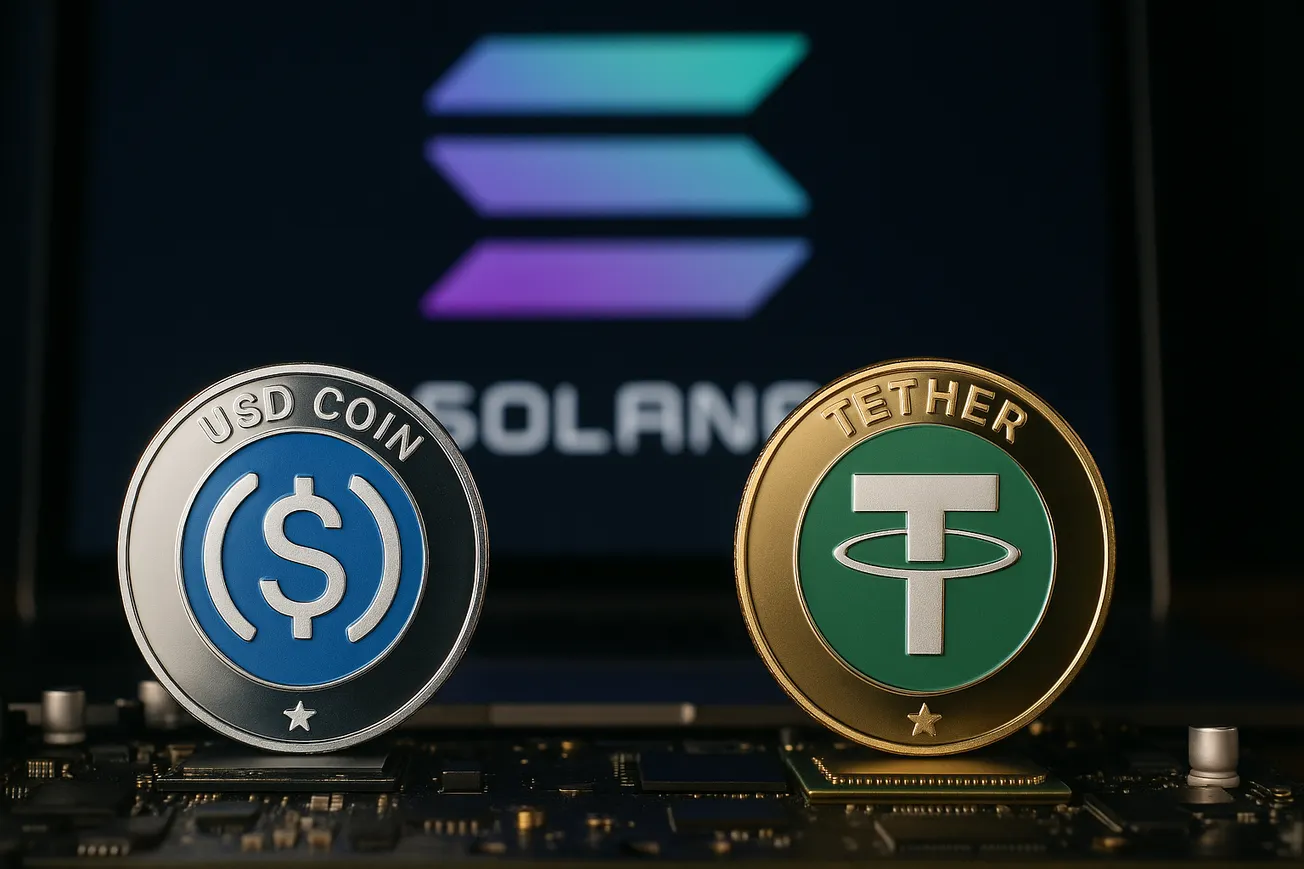
So, you're looking into stablecoins on Solana, huh? Specifically, you're probably wondering about USDC vs USDT on Solana, which makes sense. These two are like the big shots of the crypto world, especially when it comes to keeping things stable. They're both supposed to be worth one U.S. dollar, always. But even though they do the same job, they go about it in different ways. We're going to check out what makes each of them tick on Solana, and hopefully, you'll get a clearer picture of which one might be better for what you're trying to do.
Key Takeaways
- USDC on Solana is known for its transparency and regulatory friendliness, which makes it popular with institutions.
- USDT on Solana has a huge market share and trading volume, showing it's widely used and has a first-mover advantage.
- Both USDC and USDT aim for a 1:1 peg to the US dollar, and they usually do a good job of keeping it.
- When picking between USDC and USDT on Solana, think about things like how much liquidity you need and how important regulatory compliance is to you.
- Solana's stablecoin world is growing, with new options appearing alongside the main players, USDC and USDT.
Understanding Stablecoins on Solana
The Role of Stablecoins in Crypto
Stablecoins are a big deal in the crypto world because they try to bridge the gap between traditional finance and digital assets. They give you the stability of fiat currencies like the US dollar, but with the speed and efficiency of blockchain tech. Think of them as digital dollars that can move around the world super fast and cheap.
They're used for trading, lending, borrowing, and even everyday payments. For example, if you're trading crypto, you can park your profits in a stablecoin to avoid the volatility of Bitcoin or Ethereum.
USDC and USDT as Digital Dollars
USDC and USDT are the two biggest stablecoins out there, and they both aim to be digital versions of the US dollar. They're designed to maintain a 1:1 peg with the dollar, meaning one USDC or USDT should always be worth one dollar. This makes them really useful for a bunch of things in the crypto space.
People use them to send money across borders, trade on exchanges, and even earn interest in DeFi protocols. They're like the workhorses of the crypto economy. You can see the rise of USD Coin and its adoption across different platforms.
Pegging Mechanisms and Stability
So, how do these stablecoins actually stay stable? Well, it's all about their pegging mechanisms. Most stablecoins, like USDC and USDT, use a reserve of assets to back their value. This means that for every USDC or USDT in circulation, there should be an equivalent amount of dollars or other assets held in reserve.
However, the exact composition of these reserves can vary, and that's where things get interesting. Some stablecoins are backed entirely by cash and short-term US Treasury bonds, while others might include other assets like commercial paper or even other cryptocurrencies. The transparency and quality of these reserves are key to maintaining the stablecoin's peg and ensuring its stability. A strong pegging mechanism is crucial for user trust.
Stablecoins play a vital role in the cryptocurrency ecosystem by providing stability and facilitating various financial activities. Their pegging mechanisms are essential for maintaining their value and ensuring user confidence. Understanding these mechanisms is crucial for anyone involved in the crypto space.
USDC's Dominance on Solana
USDC's Market Share and Adoption
USDC has really taken the lead on Solana. It's become the go-to stablecoin for many users and protocols. This is largely due to its perceived safety and regulatory compliance.
Think of it like this: if you're building something on Solana and want a stable base, USDC is often the first choice. It's deeply integrated into the DeFi ecosystem, making it easy to use in various applications.
Circle's Backing and Transparency
Circle, the company behind USDC, has worked hard to build trust. They regularly publish reports about the reserves backing USDC. This transparency is a big deal for many people in the crypto space.
Circle's commitment to regulatory compliance also sets it apart. They're actively working with regulators to ensure they're following the rules. This gives institutions and individual users more confidence in using USDC.
USDC Volume and Market Capitalization
USDC's volume and market cap on Solana tell a clear story. It consistently shows strong activity and adoption. For example, Solana's stablecoin supply hit a record $13.1 billion, largely due to USDC exceeding $10 billion on the network.
Here's a simplified look at how USDC stacks up:
| Metric | USDC (Example) | USDT (Example) |
|---|---|---|
| Market Cap | $10B+ | $2B+ |
| Daily Volume | $500M+ | $200M+ |
| DeFi Integrations | High | Medium |
USDC's growth on Solana reflects a broader trend toward regulated and transparent stablecoins. Users are increasingly prioritizing safety and compliance, which benefits USDC. This trend is likely to continue as more institutions enter the crypto space.
It's not just about the numbers, though. It's about the overall confidence and trust that USDC has built within the Solana ecosystem. This makes it a dominant player in the stablecoin market.
USDT's Presence on Solana
Tether's Market Leadership
Tether's USDT has been a major player in the stablecoin world for a while. It was actually the first stablecoin, launching way back in 2014. It paved the way for other fiat-backed digital tokens. USDT launched on Solana in September 2020.
It's still a big deal, even with other stablecoins popping up. As of May 2025, USDT boasts a total supply exceeding $150 billion across all chains.
USDT's Operational History
USDT is designed to be backed by reserves. These reserves include U.S. dollars, cash equivalents, short-term deposits, and highly liquid assets. Think U.S. Treasury bills and money market funds.
Tether releases quarterly assurance reports. These reports are put together by an independent accounting firm, BDO.
USDT Volume and Liquidity
USDT is a major source of liquidity on Solana. The current supply of USDT issued on Solana is $2.39 billion. There are about 1.98 million individual token accounts.
This makes it the second-largest stablecoin by liquidity on the network. It's used a lot for trading and other DeFi activities.
USDT offers fiat redemption services through their website, Tether.to. Verified users can deposit USDT and redeem it for fiat currencies into linked bank accounts. The minimum redemption amount is $100,000 USD.
Key Differences: USDC vs USDT on Solana
Regulatory Adherence and Compliance
USDC really pushes for regulatory compliance, working closely with financial regulations. Circle, the company behind USDC, aims for transparency and follows U.S. laws. This approach gives some users more confidence, especially institutions that need to follow strict rules.
USDT, on the other hand, has faced scrutiny over its regulatory compliance. There have been questions about the backing of USDT and its operational transparency. This difference in approach can be a big deal for users who prioritize regulatory certainty.
Safety and Transparency of Reserves
USDC is known for its transparency regarding its reserves. Circle provides monthly reports about the assets backing USDC, which are mainly cash and short-term U.S. Treasury bonds. This level of detail helps build trust because users can see exactly what supports the stablecoin.
USDT's reserve composition has been a point of discussion. While Tether has increased transparency over time, the exact details of its reserves are not always as clear as USDC's. This can affect how users perceive the safety and stability of USDT.
Redemption Processes and User Experience
USDC offers a pretty straightforward redemption process. Users can redeem USDC for U.S. dollars directly through Circle, subject to certain minimums and verification processes. This direct redemption path adds to the perceived reliability of USDC.
USDT's redemption process has sometimes faced challenges. While Tether also allows redemptions, there have been instances where users experienced difficulties or delays. This can influence user experience and confidence in the stablecoin. For example, during times of high market volatility, redemption requests might take longer to process. Understanding these differences in redemption processes is important for users on Solana.
Choosing between USDC and USDT on Solana often comes down to weighing the importance of regulatory compliance, reserve transparency, and redemption ease. USDC tends to appeal to those prioritizing regulatory safety and clear reserve information, while USDT might be preferred by users focused on liquidity and wider availability, despite the regulatory considerations.
Performance Metrics: USDC vs USDT on Solana
Price Stability and Peg Maintenance
When we look at stablecoins, the most important thing is how well they stick to their dollar peg. Both USDC and USDT aim for that $1 mark, but they don't always hit it perfectly. You'll see slight deviations based on market conditions, trading activity, and overall sentiment.
USDC generally gets praise for its stability, often staying very close to $1. USDT has had some moments where it's strayed a bit further, raising a few eyebrows. But, for the most part, both do a decent job.
Transaction Volume Comparison
Transaction volume tells us how much these stablecoins are actually being used. USDT usually wins in terms of raw volume on Solana. It's often the go-to choice for traders moving large amounts of value.
USDC is also heavily used, especially in DeFi, but USDT's overall volume tends to be higher. This can be due to its wider availability and longer history in the crypto space. For example, you might see USDT used more in centralized exchange trading pairs, while USDC is favored in certain DeFi protocols.
Growth Trajectories and Market Adoption
Looking at how these stablecoins have grown over time gives us a sense of their momentum. USDT has been around longer, so it had a head start. It still holds a significant chunk of the overall stablecoin market.
USDC has been catching up, though. Its focus on compliance and transparency has attracted a lot of institutional interest. The growth of USDC on Solana has been impressive, especially as more people look for safer and more regulated options.
It's worth noting that market adoption can shift based on regulatory changes, technological advancements, and overall user preferences. Both USDC and USDT are constantly evolving to stay competitive in the Solana ecosystem.
Emerging Stablecoins on Solana

Solana's stablecoin landscape isn't just about USDC and USDT. There's a growing number of other stablecoins popping up, each with its own unique approach. Let's take a look at some of them.
Diversity of Solana's Stablecoin Ecosystem
The Solana ecosystem is becoming a real melting pot for stablecoins. It's not just about the big players anymore. We're seeing a rise in smaller, more specialized stablecoins that are trying to carve out their own niche. This diversity is good for the ecosystem because it gives users more options and can lead to some interesting innovation. Solana's stablecoin ecosystem is expanding rapidly.
Notable Long-Tail US Dollar Stablecoins
There are a few interesting long-tail stablecoins on Solana that are worth keeping an eye on. For example, there's USDe from Ethena, which uses a pretty complex mechanism involving staked ETH and short perpetual futures to maintain its peg. Then you have FDUSD, issued by First Digital Labs, which is focused on regulatory compliance. And don't forget about USDG, which is backed by some big names like Robinhood and Galaxy. These are just a few examples, and there are new ones popping up all the time.
Innovation in Stablecoin Collateralization
One of the most interesting things happening in the Solana stablecoin space is the innovation in collateralization. We're seeing stablecoins backed by all sorts of things, not just fiat currency. Some are using crypto, others are using treasury bills, and some are even using a combination of different assets. This is important because it could lead to more stable and resilient stablecoins in the long run.
The rise of these alternative stablecoins could challenge the dominance of USDC and USDT. It will be interesting to see how these new players compete and what impact they have on the overall Solana ecosystem.
Choosing Between USDC and USDT on Solana
Liquidity Versus Regulatory Compliance
When deciding between USDC and USDT on Solana, it really boils down to what you value more: deep liquidity or regulatory peace of mind. USDT generally boasts higher liquidity, making it easier to move large sums without significant slippage. However, this comes with the baggage of less transparency and regulatory scrutiny.
USDC, on the other hand, prioritizes compliance and transparency, which appeals to more risk-averse users. It's about finding the right balance for your specific needs.
Institutional Investment Considerations
For institutional investors, the choice between USDC and USDT on Solana is often heavily influenced by regulatory considerations and risk management frameworks. Institutions tend to favor USDC due to its greater transparency and adherence to regulatory standards. This is because Circle, the issuer of USDC, provides regular attestations and audits, offering a clearer picture of the reserves backing the stablecoin.
USDT's history of controversies and lack of full transparency can be a deterrent for institutions that need to comply with strict regulatory requirements. It's all about minimizing risk and ensuring compliance.
Aligning Stablecoin Choice with User Needs
Ultimately, the best stablecoin for you depends on your individual needs and priorities. If you're a trader who needs high liquidity and doesn't mind a bit more risk, USDT might be the better choice. If you're more concerned about safety and regulatory compliance, USDC is probably the way to go.
Consider these factors:
- Transaction size: Large transactions benefit from USDT's liquidity.
- Regulatory environment: USDC is preferred in stricter regulatory environments.
- Platform preferences: Some platforms favor one stablecoin over the other.
Choosing between USDC and USDT on Solana isn't a one-size-fits-all decision. It requires a careful evaluation of your risk tolerance, regulatory requirements, and specific use case. Understanding the nuances of each stablecoin will help you make an informed choice that aligns with your financial goals.
It's also worth noting that the USDC has lower liquidity than USDT, resulting in higher slippage and fewer trading pairs on certain exchanges. So, keep that in mind when making your decision.
Conclusion
So, when it comes to USDC and USDT on Solana, it's not really about one being totally better than the other. Both have their own good points. USDC is all about being open and playing by the rules, which makes a lot of people feel safe, especially bigger companies. USDT, though, has been around longer and is used by way more people, so it's got a huge presence. What you pick really depends on what you care about most. If you want something super clear and regulated, USDC might be your thing. But if you're looking for something with a massive user base and lots of trading action, USDT could be it. It's all about what fits your needs in the crypto world.
Frequently Asked Questions
Is USDC safer than USDT?
USDC is often seen as more trustworthy because it shares its financial records openly and gets checked by outside experts every month. However, neither stablecoin has ever had a long-term problem keeping its value steady.
Which is better, USDT or USDC?
The choice between USDC and USDT depends on what's most important for your investments or trading. USDC has clearer financial checks, but USDT is used more widely and has a bigger market value.
Can I transfer USDC and USDT to my bank account?
Yes, most cryptocurrency exchanges allow you to change your stablecoins, like USDC and USDT, into regular money (fiat currency) and then send it to your bank account. The exact steps might be a little different depending on which exchange you use.
How do stablecoins like USDC and USDT keep their value?
Both USDC and USDT are designed to keep their value at $1. They do this by having real money or other assets stored away. This means that for every stablecoin in circulation, there's a dollar (or something worth a dollar) backing it up. This system helps them stay stable even when other cryptocurrencies go up and down a lot.
Who is in charge of USDC and USDT?
USDC is managed by a company called Circle, which works with Coinbase. USDT is managed by a company called Tether. Both companies are responsible for making sure their stablecoins are backed by real assets and that their value stays close to one U.S. dollar.
What are stablecoins and why are they important?
Stablecoins are like digital money that tries to stay at a steady price, usually tied to a real-world currency like the U.S. dollar. They're useful because regular cryptocurrencies can change value very quickly. Stablecoins help people do things like buy and sell goods, send money across borders, and use special financial services on the internet without worrying about big price swings.