

Stablecoins are like the calm in the stormy crypto world. If you've ever been curious about how to invest in them, you're not alone. They're getting a lot of buzz because they offer a way to dip your toes into crypto without the wild price swings.
In this guide, we'll break down what stablecoins are, how they work, and how you can start investing in them. We'll also cover the risks you should know about and some strategies to get the most out of your investment.
Key Takeaways
- Stablecoins provide a stable value in the volatile world of cryptocurrencies, making them a safer option for beginners.
- There are different types of stablecoins like fiat-backed, crypto-backed, commodity-backed, and algorithmic ones, each with its own mechanism.
- To start investing, pick a stablecoin that suits your needs, set up a crypto wallet, and find a reliable exchange.
- Be aware of risks such as market changes, regulatory issues, and security concerns when investing in stablecoins.
- Maximizing returns can involve lending, yield farming, or staking stablecoins, but each comes with its own set of challenges.
Understanding Stablecoins and Their Importance
What Are Stablecoins?
Stablecoins are a type of cryptocurrency designed to maintain a stable value by being pegged to a reserve of assets, often fiat currencies like the U.S. dollar. Unlike traditional cryptocurrencies such as Bitcoin, which can be highly volatile, stablecoins aim to provide a consistent value. Think of them as the bridge between the world of crypto and traditional finance.
Stablecoins combine the best of both worlds: the security and decentralization of cryptocurrencies with the stability of traditional money. This makes them ideal for everyday transactions, savings, or as a temporary refuge during market volatility.
Why Are Stablecoins Important?
Stablecoins play a crucial role in the broader adoption of cryptocurrencies by offering a stable unit of value. They are particularly useful for:
- Stable Prices: By pegging their value to stable assets like fiat currencies, stablecoins offer a refuge from the wild price swings associated with other digital assets.
- Facilitating Trading and Transactions: Traders use stablecoins to quickly move in and out of positions without the need to convert back to fiat, saving time and reducing costs.
- Cross-Border Transactions: Stablecoins enable fast and cost-effective international transfers, bypassing traditional banking systems and their fees.
Stablecoins are the key to unlocking the full potential of cryptocurrencies by providing a reliable and stable digital currency that can be used globally.
How Stablecoins Differ from Other Cryptocurrencies
While all cryptocurrencies share some common traits, stablecoins stand out due to their unique ability to maintain a stable value. Here's how they differ:
- Price Stability: Unlike Bitcoin or Ethereum, whose prices can fluctuate wildly, stablecoins aim to hold a steady value.
- Use Cases: Stablecoins are often used for everyday transactions and as a store of value, whereas other cryptocurrencies are more commonly used for investment or speculative purposes.
- Backing: Stablecoins are typically backed by assets like fiat currencies, commodities, or other cryptocurrencies, providing a safeguard against volatility.
Stablecoins are not just another digital asset; they are a pivotal tool in the evolution of the financial landscape, offering a stable and reliable alternative to traditional currencies. For more on how stablecoins bridge the gap between fiat and crypto, check out this comprehensive resource.
Types of Stablecoins and Their Mechanisms
Fiat-Backed Stablecoins
Fiat-backed stablecoins are pegged to traditional currencies like the US Dollar. They maintain a stable value by holding a reserve of the equivalent fiat currency. This means for every stablecoin issued, there's a corresponding amount of fiat currency held in reserve. Tether (USDT) is a prime example, where each token is backed by one US dollar.
- Redemption: Users can exchange stablecoins for the equivalent fiat currency at a 1:1 ratio.
- Transparency: Regular audits ensure that the reserves match the stablecoins in circulation.
- Regulatory Compliance: These issuers often comply with financial regulations, including anti-money laundering laws.
Crypto-Backed Stablecoins
These stablecoins are backed by other cryptocurrencies, which can be volatile. To counteract this, they are over-collateralized. For instance, if $500 worth of stablecoins are issued, at least $1000 worth of cryptocurrency is held as collateral. This ensures stability even in volatile markets.
- Decentralized Governance: Often operates on decentralized platforms where token holders decide on collateral and other parameters.
- Examples: DAI is a well-known crypto-backed stablecoin, using various cryptocurrencies on the Ethereum blockchain.
Commodity-Backed Stablecoins
Commodity-backed stablecoins derive their value from physical commodities like gold or silver. The issuer holds a reserve of the commodity, and the stablecoin's value is pegged to it. For example, a gold-backed stablecoin would have its value tied to a specific weight of gold.
- Redemption: Users can exchange these stablecoins for the underlying commodity.
- Storage: The commodities are stored securely, often in specialized vaults.
Algorithmic Stablecoins
Algorithmic stablecoins don't have any physical or digital assets backing them. Instead, they use smart contracts to regulate supply and demand, maintaining price stability. If the price rises, more tokens are issued; if it falls, the supply is reduced.
- Elastic Supply: The supply can expand or contract based on market conditions.
- Examples: Ampleforth (AMPL) is an example, using algorithms to manage supply and demand.
Stablecoins offer a bridge between traditional finance and the crypto world, providing stability in the otherwise volatile cryptocurrency market. Understanding the different types and their mechanisms can help investors make informed decisions.
How to Start Investing in Stablecoins
Choosing the Right Stablecoin
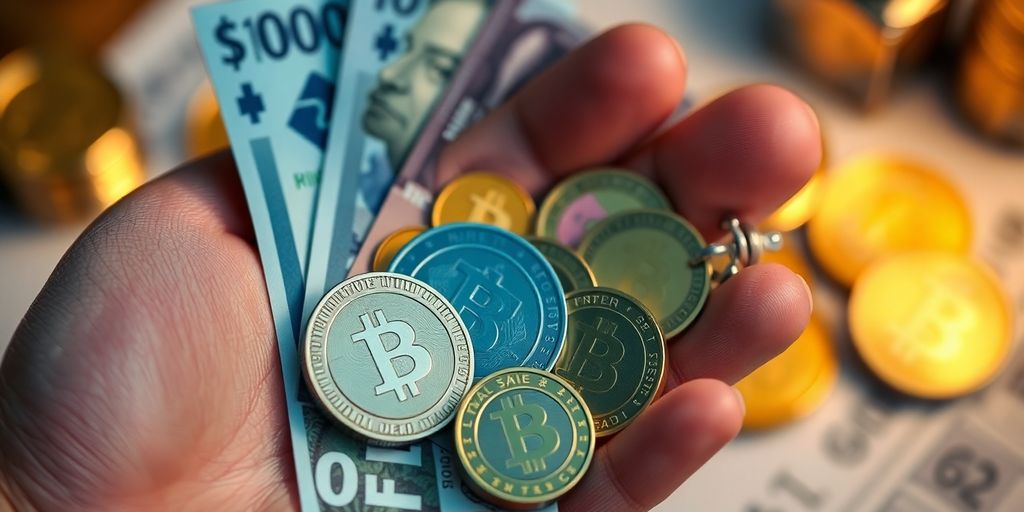
When you're just getting started with stablecoin investments, picking the right one is key. Different stablecoins have different backing mechanisms and stability measures. Some of the popular ones include Tether (USDT), USD Coin (USDC), and Binance USD (BUSD). Tether, for example, is pegged to the US dollar and is widely used in the crypto world. Before you choose, consider factors like market capitalization, liquidity, and the platform's reputation. It's wise to diversify your investments across several stablecoins to spread risk.
Setting Up a Crypto Wallet
Once you've chosen your stablecoins, you'll need a secure place to store them. This is where a crypto wallet comes in. You can opt for a hot wallet, which is connected to the internet and offers convenience, or a cold wallet, which is offline and offers better security. Setting up a crypto wallet isn't too complicated. Usually, you download a wallet app, follow the setup instructions, and secure your wallet with a strong password and two-factor authentication.
Finding a Reliable Exchange
To buy stablecoins, you'll need to find a reliable exchange platform. Exchanges like Binance are popular choices due to their extensive range of stablecoins and user-friendly interface. When choosing an exchange, check for factors such as fees, supported currencies, and security features. Ensure the exchange operates in your region and complies with local regulations. It's also a good idea to read user reviews and maybe start with small transactions to test the waters.
Risks and Considerations When Investing in Stablecoins
Market Risks
Investing in stablecoins isn't without its challenges. Even though they're designed to be stable, market dynamics can still affect their value. When the demand for a particular stablecoin drops or if the backing asset loses value, the stablecoin can deviate from its pegged value. This is particularly true for algorithmic stablecoins, which rely on market mechanisms to maintain their price.
Regulatory Concerns
As stablecoins become more popular, they are increasingly coming under the scrutiny of regulators. Different countries have different approaches to regulating these digital currencies, which can create uncertainty for investors. Some jurisdictions may impose strict regulations, requiring detailed personal information for transactions, while others might be more lenient. This regulatory landscape can impact the liquidity and usability of stablecoins.
Security Issues
The digital nature of stablecoins makes them susceptible to cyber threats. Hacks and security breaches can result in significant financial losses. It's crucial to store stablecoins in secure wallets and choose exchanges with strong security measures. Additionally, the reliance on smart contracts for some stablecoins introduces another layer of risk, as vulnerabilities in the code can be exploited.
Investing in stablecoins requires a careful assessment of these risks. While they offer a more stable alternative to other cryptocurrencies, they are not entirely risk-free. Staying informed and cautious can help mitigate potential losses.
Maximizing Returns with Stablecoin Investments
Stablecoin Lending
Stablecoin lending is one of the simplest ways to earn a return on your investment. By lending stablecoins to borrowers, you can earn interest over time. Platforms like Celsius and BlockFi offer opportunities for lending, with interest rates varying based on the demand and supply dynamics. The key advantage here is the stability of returns, as the value of the stablecoin remains constant, unlike other volatile cryptocurrencies.
Yield Farming with Stablecoins
Yield farming is a more advanced strategy that involves providing liquidity to decentralized finance (DeFi) platforms. By adding your stablecoins to a liquidity pool, you can earn rewards in the form of additional tokens. Yield farming can be lucrative but requires a keen understanding of the DeFi ecosystem and its associated risks. Here’s a simple breakdown of how to get started:
- Choose a DeFi platform that supports stablecoin yield farming.
- Deposit your stablecoins into a liquidity pool.
- Monitor your investment and withdraw your earnings periodically.
Staking Stablecoins
Staking involves locking up your stablecoins in a network to support its operations and security. In return, you earn staking rewards, which can be a good way to generate passive income. Unlike traditional staking with volatile cryptocurrencies, stablecoin staking offers more predictable returns.
Stablecoin investments offer a unique blend of stability and opportunity, making them an attractive option for both new and seasoned investors.
For those looking to achieve higher yields with stablecoins, it's crucial to compare their APY to traditional banking rates, considering the regulatory challenges involved. Learn more about these opportunities here.
The Future of Stablecoins in the Financial World
Potential Growth of Stablecoins
Stablecoins are quickly becoming a cornerstone in the financial world. As more people look for alternatives to traditional banking, the demand for stable, digital currency is on the rise. Stablecoins offer a stable value, making them attractive for both consumers and businesses. Their ability to maintain a consistent value, unlike other cryptocurrencies, makes them ideal for everyday transactions. In the coming years, we could see stablecoins being used more widely for everything from buying groceries to paying rent.
Impact on Traditional Banking
The rise of stablecoins is set to shake up the traditional banking sector. With their potential to transform the global financial landscape, stablecoins could offer faster, cheaper transactions compared to banks. This might push banks to innovate and adapt to this new digital currency era. However, it also poses a threat to their existing business models, especially if more people start using stablecoins for daily transactions instead of fiat currency.
Regulatory Developments
As stablecoins grow in popularity, governments and regulatory bodies are starting to take notice. There's a push to establish clear guidelines to ensure these digital currencies are safe and reliable. While some see regulation as a barrier, it could actually provide a framework that encourages more widespread adoption. By addressing concerns around security and transparency, regulation can help build trust in stablecoins, paving the way for their integration into the mainstream financial system.
Stablecoins are not just another cryptocurrency; they represent a bridge between the digital and traditional financial worlds, promising a future where transactions are fast, secure, and stable. As they gain traction, the entire financial landscape could be transformed, offering new opportunities and challenges alike.
Conclusion
Alright, so there you have it. Stablecoins are kind of a big deal in the crypto world right now. They make it easier for folks to dip their toes into crypto without all the wild price swings. You've got the lowdown on how they work, the different types, and even where to get them. With this info, you're better equipped to make smart choices about using stablecoins. Whether you're looking to invest, save, or just understand the crypto space a bit more, stablecoins are a solid starting point. Just remember, like with any investment, there's always some risk involved. So, take your time, do your homework, and make decisions that feel right for you. Happy investing!
Frequently Asked Questions
What exactly are stablecoins?
Stablecoins are a type of cryptocurrency that are tied to more steady assets, like the U.S. dollar or gold, to keep their value stable.
Why do people use stablecoins?
People use stablecoins because they combine the benefits of digital money with a stable value, making them great for everyday transactions and saving.
How are stablecoins different from regular cryptocurrencies?
Unlike regular cryptocurrencies, which can change value quickly, stablecoins are designed to keep their value steady by being backed by stable assets.
What are the different types of stablecoins?
There are several types of stablecoins, including those backed by fiat money, other cryptocurrencies, commodities like gold, or using algorithms to control supply.
How can I start investing in stablecoins?
To invest in stablecoins, you need to pick the right one, set up a crypto wallet, and find a trustworthy exchange to buy them.
Are there risks to investing in stablecoins?
Yes, like any investment, stablecoins come with risks such as market changes, regulatory issues, and security concerns.