
Thinking about adding PYUSD as a payment option for your online store? It's a pretty smart move these days. This guide will walk you through the whole process, from getting your PayPal account ready to handling transactions. We'll cover everything you need to know to accept PYUSD and make things smooth for your customers. It's not as complicated as it sounds, and it could really help your business grow.
Key Takeaways
- Setting up your PayPal Business account is the first step to accepting PYUSD.
- PayPal Checkout makes integrating PYUSD payments into your e-commerce site straightforward.
- Managing PYUSD transactions involves receiving payments, transferring to other wallets, and converting to regular money.
- PayPal has security features to help protect your crypto transactions.
- Making PYUSD a visible payment option can attract more customers and build loyalty.
Understanding PYUSD and Its Role in E-Commerce
What is PayPal USD (PYUSD)?
PayPal USD, or PYUSD, is a stablecoin pegged to the U.S. dollar. It's designed to bring the benefits of blockchain technology to commerce and payments. Each PYUSD token is backed by U.S. dollar deposits, short-term U.S. Treasury bills, and similar cash equivalents.
This backing aims to ensure price stability, making it easier for businesses and consumers to use it for everyday transactions. Think of it as a digital dollar on the blockchain, issued by PayPal.
Benefits of Stablecoins for Online Businesses
Stablecoins like PYUSD can offer several advantages for e-commerce businesses. They can potentially reduce transaction fees compared to traditional payment methods. This is especially true for international transactions.
Another benefit is faster settlement times. Crypto transactions can often clear much quicker than bank transfers, improving cash flow. Plus, stablecoins can open up new markets by allowing you to reach customers who prefer to use digital currencies.
Here's a quick look at some key benefits:
- Lower transaction fees
- Faster settlement times
- Access to new customer bases
- Increased transparency
How PYUSD Differs from Other Cryptocurrencies
Unlike cryptocurrencies like Bitcoin or Ethereum, PYUSD is designed to maintain a stable value. This stability is achieved through its backing by U.S. dollar assets. Other cryptocurrencies are often subject to significant price fluctuations, making them less suitable for everyday transactions.
PYUSD also operates within PayPal's existing ecosystem, which provides a level of familiarity and trust for many users. This integration can make it easier for businesses to adopt PYUSD without needing to build entirely new payment infrastructures. For example, you can easily transfer crypto between PayPal and other wallets that support it.
PYUSD's stability and integration with PayPal's platform make it a unique option for e-commerce businesses looking to explore the benefits of digital currencies without the volatility often associated with other cryptocurrencies. It provides a bridge between traditional finance and the world of blockchain, potentially simplifying the adoption process for both merchants and consumers.
Setting Up Your PayPal Business Account for PYUSD

So, you're ready to get your PayPal business account prepped for PYUSD? Great! Let's walk through the steps. It's not too complicated, but there are a few things you'll want to make sure you get right to avoid any hiccups down the road.
Creating a PayPal Business Profile
First things first, you need a PayPal Business account. If you already have one, awesome, skip ahead. If not, head over to PayPal and sign up for a business account. It's pretty straightforward, but make sure you select the "Business Account" option, not the personal one. You'll need to provide some info about your business, like its legal name, address, and tax ID. This is important for compliance and business account verification.
Once you've created your account, take some time to flesh out your business profile. Add your logo, a description of your business, and your customer service contact info. This helps build trust with your customers and makes your business look more professional.
Verifying Your Account for Crypto Transfers
Now, this is where things get a little more specific. To handle PYUSD, you'll likely need to go through an additional verification step to enable crypto transfers. PayPal needs to confirm your identity and ensure you're not using the platform for anything shady. This usually involves providing some additional documentation, like a copy of your driver's license or passport, and possibly some business registration documents.
The exact verification process can vary depending on your location and the specifics of your account.
Once you're verified, you should be able to send and receive PYUSD without any issues. Keep in mind that PayPal may have limits on the amount of crypto you can transfer, so it's a good idea to check those limits and make sure they meet your needs.
Enabling Cryptocurrency Features
Okay, almost there! The last step is to enable cryptocurrency features within your PayPal account. This might involve going into your account settings and toggling a switch or two. Look for something like "Enable Crypto" or "Cryptocurrency Payments." Once you've enabled these features, you should be able to see your PYUSD balance in your PayPal wallet and start accepting PYUSD payments from customers.
Make sure you understand the fees associated with crypto transactions on PayPal. They can vary depending on the type of transaction and the amount involved. It's always a good idea to be aware of these fees so you can factor them into your pricing and avoid any surprises.
Here's a quick checklist to make sure you've covered everything:
- Created a PayPal Business account.
- Completed the necessary verification steps for crypto transfers.
- Enabled cryptocurrency features in your account settings.
- Reviewed and understood the fees associated with crypto transactions.
Integrating PayPal Checkout for PYUSD Payments
Overview of PayPal Checkout Integration
PayPal Checkout is a pretty common payment solution, and it's designed to make online transactions smoother. It lets customers pay directly from your website or app without redirecting them away to PayPal's site. This is a big deal because it keeps people on your page, which can help reduce cart abandonment.
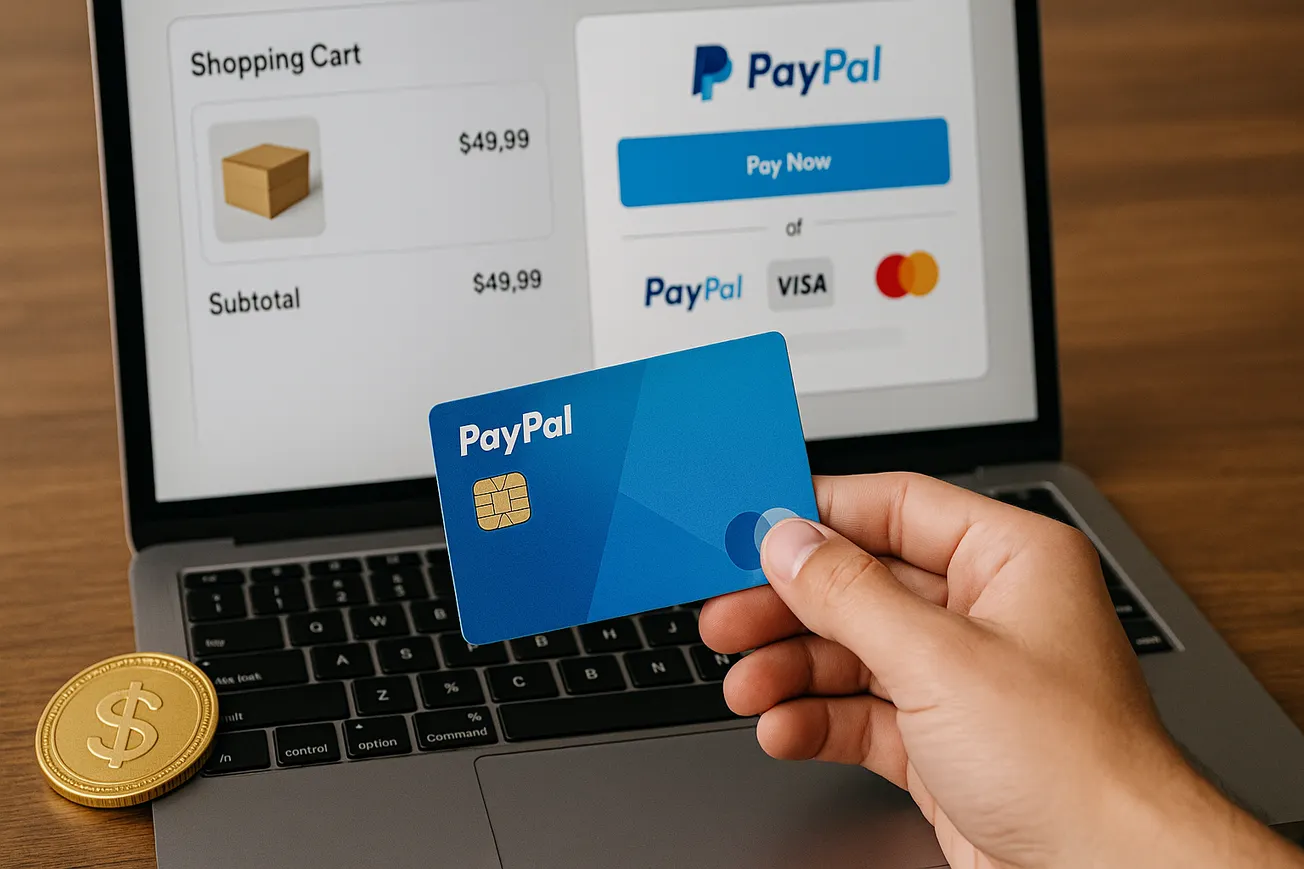
It supports various payment methods, including credit cards, debit cards, and now, PYUSD. This flexibility is key for reaching a wider audience.
Adding PayPal Checkout to Your E-commerce Platform
Adding PayPal Checkout to your e-commerce platform usually involves installing a plugin or integrating an API. Most major platforms like Shopify, WooCommerce, and Magento have PayPal Checkout plugins available. These plugins simplify the integration process, often requiring just a few clicks to install and configure.
For example, in Shopify, you can find the PayPal Checkout app in the Shopify App Store and install it directly. Once installed, you'll need to connect it to your PayPal business account. If you're using a platform without a plugin, you'll need to use PayPal's APIs. This involves a bit more technical work, but PayPal provides pretty good documentation and SDKs to help you out. The basic steps include getting API credentials, adding the PayPal JavaScript SDK to your site, and creating payment buttons or forms.
Configuring Payment Options for PYUSD
Once PayPal Checkout is integrated, you'll need to configure it to accept PYUSD payments. This might involve enabling cryptocurrency payments in your PayPal business account settings. You'll also want to make sure your checkout page clearly displays PYUSD as a payment option.
This can be done by adding a PYUSD logo or text label next to the PayPal Checkout button. It's also a good idea to provide some information about PYUSD to customers who might not be familiar with it. For example, you could include a brief explanation of what PYUSD is and how it works. You might need to enable crypto transfers in your account settings to fully utilize PYUSD payments.
Managing PYUSD Transactions and Transfers
Receiving PYUSD Payments from Customers
So, you're ready to accept PYUSD. That's great! When a customer pays you in PYUSD through PayPal Checkout, the PYUSD is credited to your PayPal balance. It's pretty straightforward. You'll see it just like any other payment you receive.
Think of it as getting paid in dollars, but instead, it's PYUSD.
PayPal handles the transaction, and you'll get a notification just like with any other payment. You can then view the transaction details in your PayPal account activity.
Transferring PYUSD to External Wallets
Want to move your PYUSD out of PayPal? No problem. You can transfer it to an external wallet. First, you'll need to verify your account for crypto transfers. This is a security measure to protect your funds.
Once verified, you can send PYUSD to most Ethereum addresses (ERC-20 tokens) or Solana addresses (SPL tokens). Just make sure your external wallet supports PYUSD.
Here's a quick rundown:
- Go to your PayPal crypto dashboard.
- Select "Send."
- Enter the recipient's wallet address or scan a QR code.
Always double-check the wallet address before sending. Crypto transactions are irreversible. If you send PYUSD to the wrong address, it's gone.
Converting PYUSD to Fiat Currency
Need to convert your PYUSD back to good old dollars? PayPal makes it easy. You can convert your PYUSD balance to USD within your PayPal account.
The converted USD will then be available in your USD balance, which you can use for other transactions or withdraw to your bank account. The conversion rate will be displayed before you confirm the transaction, so you know exactly how much you're getting.
Here's a simple example:
| PYUSD Amount | Conversion Rate | USD Equivalent |
|---|---|---|
| 100 PYUSD | 1 PYUSD = 1 USD | 100 USD |
| 50 PYUSD | 1 PYUSD = 1 USD | 50 USD |
| 25 PYUSD | 1 PYUSD = 1 USD | 25 USD |
Keep in mind that there might be minimum transfer amounts for converting PYUSD to fiat currency, so check the details on PayPal's website.
Security Measures and Risk Mitigation for PYUSD
Alright, let's talk about keeping things safe when dealing with PYUSD. It's not just about setting up payments; it's about protecting your business and your customers.
PayPal's Fraud Protection for Crypto Transactions
PayPal has some fraud protection measures in place, which is good news. It's not a free-for-all out there, but you still need to be smart.
PayPal uses advanced monitoring systems to detect and prevent fraudulent activities associated with crypto transactions.
Think of it like having a security system for your store, but for your digital money. It's not perfect, but it's better than nothing.
- Transaction Monitoring: PayPal keeps an eye on transactions for anything fishy.
- Account Protection: They have measures to protect your account from unauthorized access.
- Dispute Resolution: If something goes wrong, they have a process for resolving disputes.
Understanding Cryptocurrency Volatility
Even though PYUSD is a stablecoin, the crypto world around it can still be wild. It's important to know what you're getting into.
Stablecoins are designed to minimize price swings, but they're not immune to market forces. Keep an eye on the overall crypto market, because even small ripples can affect things.
For example, if there's a major event that shakes up the crypto world, even PYUSD could see some temporary instability. It's rare, but it can happen.
Best Practices for Secure PYUSD Handling
Here are some things you can do to keep your PYUSD transactions safe:
- Use strong, unique passwords for your PayPal account and any other crypto-related accounts. Don't reuse passwords!
- Enable two-factor authentication (2FA) wherever possible. This adds an extra layer of security.
- Be careful about clicking links in emails or messages. Phishing scams are common in the crypto world.
Always double-check the recipient's address when sending PYUSD. Crypto transactions are irreversible, so if you send it to the wrong address, it's gone. It's like sending cash in the mail – once it's gone, it's gone. Make sure you understand PYUSD stablecoin and how it works.
Also, remember that transferring crypto to the wrong address can result in permanent loss, so always double-check before sending. It's a good idea to confirm that your external wallet will accept PYUSD before transferring.
Customer Experience with PYUSD Payments
Seamless Checkout Process for Shoppers
When you're dealing with e-commerce, the checkout experience can make or break a sale. If it's clunky or confusing, customers will bounce. Integrating PYUSD payments through PayPal can actually make things smoother for your customers.
Think about it: many people are already familiar with PayPal's interface. Adding PYUSD as an option within that familiar framework can reduce friction.
For example, a customer who already has PYUSD in their PayPal account can complete a purchase with just a few clicks, without having to enter credit card details or navigate away from the site. This streamlined process can lead to higher conversion rates and happier customers.
Addressing Common Customer Inquiries
Inevitably, some customers will have questions about paying with PYUSD. It's a relatively new option, and not everyone is familiar with stablecoins or how they work within the PayPal ecosystem.
Make sure your customer service team is prepared to answer questions like:
- "What is PYUSD?"
- "How do I get PYUSD?"
- "Are there any fees associated with using PYUSD?"
- "Is it safe to use PYUSD?"
Having a clear FAQ section on your website can also help address these common concerns proactively. Also, consider creating short explainer videos or blog posts that walk customers through the process of paying with PYUSD.
Providing clear, accessible information will build trust and encourage adoption.
Benefits for International Transactions
PYUSD can be particularly beneficial for international transactions. Traditional cross-border payments often involve hefty fees and slow processing times.
With PYUSD, transactions can be processed more quickly and at a lower cost, potentially opening up new markets for your business. For example, a customer in Europe can pay for a product from your US-based store using PYUSD, avoiding the currency conversion fees and delays associated with traditional bank transfers.
Here's a quick comparison:
| Feature | Traditional Payment | PYUSD Payment |
|---|---|---|
| Transaction Fees | High | Low |
| Processing Time | Days | Minutes |
| Currency Conversion | Required | Not Required |
By offering PYUSD, you can provide a more competitive and convenient payment option for your international customers, potentially boosting your global sales. Remember to verify your account for crypto transfers to ensure smooth transactions.
Optimizing Your E-commerce Store for PYUSD
Displaying PYUSD as a Payment Option
Okay, so you're accepting PYUSD. Now, let's make sure your customers know it. Obvious, right? But it's easy to overlook the details. Make it clear on your product pages, in your cart, and during checkout.
Think of it like this: you wouldn't hide that you accept credit cards, would you? Same principle.
Visually highlight PYUSD alongside other payment methods. This could be a simple logo or a short text blurb. For example, next to the Visa and Mastercard logos, add the PYUSD logo.
Marketing Your Acceptance of PYUSD
Don't just have PYUSD as an option; promote it. Announce it on social media, send out an email blast, maybe even run a limited-time promotion for customers who pay with PYUSD. Think of it as a new feature launch.
Consider these points:
- Social Media Campaigns: Run targeted ads on platforms frequented by crypto enthusiasts.
- Email Marketing: Inform your existing customer base about the new payment option.
- Blog Posts: Write content explaining the benefits of using PYUSD, like faster transactions or lower fees.
By actively marketing your acceptance of PYUSD, you're not only attracting new customers but also positioning your brand as forward-thinking and innovative. It's a win-win.
Leveraging PYUSD for Customer Loyalty
PYUSD can be more than just a payment method; it can be a loyalty tool. Offer exclusive discounts or rewards for customers who use PYUSD. Think of it as a crypto-based loyalty program.
Here are some ideas:
- PYUSD Rewards: Give a small percentage of their purchase back in PYUSD.
- Exclusive Discounts: Offer lower prices for PYUSD transactions.
- Early Access: Provide early access to sales or new products for PYUSD users.
For example, you could offer a 5% discount for all purchases made with PayPal USD. This encourages adoption and builds customer loyalty. Think of it as a way to reward your crypto-savvy customers.
Wrapping Things Up
So, that's the scoop on getting PYUSD payments set up for your online store. It might seem like a lot at first, but it's really not too bad once you get going. Adding PYUSD as a payment choice can open up your business to more people, which is always a good thing. Plus, it shows you're keeping up with new payment trends. Just take it step by step, and you'll be all set to accept PYUSD in no time.
Frequently Asked Questions
What is PYUSD?
PYUSD is a special kind of digital money, like a digital dollar, made by PayPal. It's called a stablecoin because its value is meant to stay steady, usually matching the US dollar. This makes it different from other cryptocurrencies that can go up and down a lot in value.
How is PYUSD different from other cryptocurrencies?
PYUSD is different because it's a stablecoin, meaning its value is tied to the US dollar. This makes it more predictable than other digital currencies like Bitcoin, which can change in value very quickly. Because it's from PayPal, it also comes with PayPal's security features.
Can I send PYUSD from my PayPal account to another digital wallet?
Yes, you can transfer PYUSD out of your PayPal account to other digital wallets that accept it. You just need the correct address for the wallet you want to send it to. It's important to double-check the address to make sure your PYUSD goes to the right place.
What happens if I send PYUSD to the wrong address?
If you send PYUSD to the wrong address, it's usually lost forever. Digital currency transfers are final and can't be undone once they're sent. So, always be super careful and check the address before you send any PYUSD.
How do I receive PYUSD payments from customers?
When customers pay you with PYUSD, it will show up in your PayPal business account. You can then choose to keep it as PYUSD, send it to another wallet, or change it into regular money like US dollars.
Is it safe to use PYUSD for my business?
PayPal has special tools to help protect your PYUSD transactions from fraud. However, it's always a good idea to follow safe practices, like using strong passwords and being careful about who you send money to, to keep your digital money safe.